Blog
What Modern Snow Management Looks Like for Cities
by Joel Scott • September 17, 2026
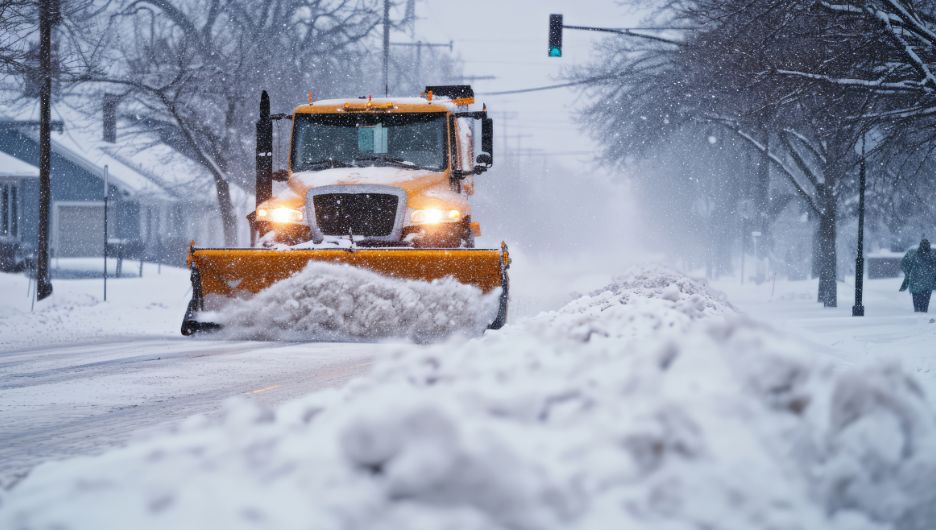
The difficult aspect when a winter storm occurs isn’t getting the trucks onto the roads; it’s finding out what is really going on once the trucks are out in the field. You have to know which streets have been cleared, which priority routes still require a pass, where each truck currently is, and how to make adjustments as the snow continues to fall. For a public works team that has to manage the response using radio calls, paper maps, and the memory of the drivers, answering those questions at the time they occur is almost impossible, and the answers only become available after the storm, by which time it’s too late to take any action.
The way snow is managed nowadays is different in that it provides city authorities with a real-time, integrated overview of the entire winter operation, allowing supervisors to see what has already been dealt with, to send trucks to where they are required, and also to show afterwards precisely what had been done, when, and where. The following illustrates what this looks like and explains why it is important for the cities that operate it.
Key Takeaways
- Snow management is how a city plans, runs, checks, and reports on winter work like plowing, salting, and brining. It brings everything together in one place.
- Snow removal is assessed on a per-road-segment basis rather than on a per-stop basis, which means the important issue is the specific streets that were cleared, how recently they were cleared, and the number of passes made.
- With a live operational view supervisors are able to direct trucks during a storm rather than having to find out what happened afterwards.
- The Kansas City operation employs about 300 vehicles on a connected snow platform and received an APWA snow award for its winter operations.
What Is Snow Management?
Snow management refers to the way a city plans, carries out, checks, and provides reports regarding its winter maintenance activities, including plowing, salting, and brining, so that the roads remain safe during a storm. When it is done properly, it brings together, in a single, connected overview that a supervisor can act on in real time, the various elements of a winter operation which had previously been located in separate areas, such as route plans, truck positions, service records, and communication between drivers.
For a great many public works teams, snow response has in the past been based on radio reports, paper maps, local knowledge and a collection of different systems. This approach is adequate in the case of a small-scale incident but quickly becomes inadequate when there is a large-scale one, since the supervisor then needs a clear picture of the situation, the drivers require simple tools in the cab, and the agency needs reliable records for the purposes of accountability, giving the public updates and conducting the post-storm review.
What makes snow different from all the other operations carried out in a city?
Snow removal is not based on stops, and that is where many existing methods fail. With waste collection, the unit of work is a stop – that is, when a truck goes past a property or a container, the job is considered complete. With snow removal, the unit of work is the road segment; a truck has to drive a section of road at service speed, possibly more than once, and the job is assessed according to how much of the road network has been cleared, not by the number of locations visited. The table below shows the difference at a glance:
| Operational dimension | Waste collection | Snow management |
|---|---|---|
| Service unit | Stop or property | Road segment |
| Completion trigger | Truck passes a service point | Truck covers a segment at service speed |
| Pass tracking | Usually not relevant | Often critical |
| Service types | Refuse, recycling, organics | Plowing, salting, brining |
The kind of questions a supervisor asks changes. In the case of a storm, instead of asking whether we hit that address, they ask which streets have been plowed in the past four hours, which priority corridors require another pass, and whether the salt route has already been completed. A winter operation must respond at the level of the street segment, not merely indicate where the trucks are, and it is this segment-level perspective that is the main feature distinguishing a real snow removal tool from a map with dots on it.
7 Things a Modern Snow Operation Needs
If you eliminate the promotional material, a successful winter operation boils down to a small number of capabilities that function in unison. The seven that are most important are:
- Service verification on a segment basis: as the truck goes along a segment, the system records the time, the number of times it has passed, the service carried out, and whether or not the segment has been completed. This provides an actual coverage map, not just a series of GPS points, showing the leaders where service is sparse, deteriorating, or absent.
- Support for every winter service: Plowing, salting, and brining should live on one platform so a supervisor can track them together instead of stitching separate tools into a single picture during a storm.
- Route planning and optimization: Build efficient winter routes before the season and adjust them ahead of each storm. Strong route optimization means fewer miles, fewer gaps, and a plan the field can actually execute.
- Real-time route and vehicle dashboards: Supervisors need a live command view of what’s in progress, what is scheduled, and which trucks to redirect. Live visibility is what turns a plan into an operation you can steer mid-storm.
- Integration with the systems a city already uses: Connecting with the telematics and mapping platforms already in the fleet gives stronger field visibility without ripping anything out, so the winter operation builds on what the city has.
- Hazard alerts and exception handling: Winter never goes to plan. Drivers hit blocked roads, downed wires, and slick spots, and ad-hoc jobs appear: a cul-de-sac that needs an extra pass, a parking lot, an emergency cleanup. The system has to capture and route those in the moment.
- Operational reporting: After the storm, an agency needs a defensible record of what was done, when, and where. Operational reporting answers a council member or resident asking why a street was not cleared, and what informs the next storm.
How is snow management carried out during a storm?
The value shows up when the snow is falling. As a truck drives a segment at service speed, the system automatically records the service time, number of passes, service type, and whether the segment is complete, incomplete, or partially done. That gives operations leaders a live picture of where coverage is thin, where it is aging, and which priority streets still need attention, instead of a report that lands the next morning.
In addition to live coverage, supervisors monitor routes and vehicles on a dashboard, enabling them to reroute trucks as conditions change. If a driver encounters a blocked road, a downed power line, or an abandoned vehicle, they record the incident from the cab, and the dispatch system then sends the updates back. Spontaneous jobs that were not part of the original route can be added instantly. This combination of live segment coverage and real-time communication lets the city manage the storm rather than just respond to it.
How Kansas City Manages Snow at Scale
Kansas City shows what this looks like at scale. The city runs a winter fleet of about 300 vehicles on Routeware’s SmartCity platform and coordinates plowing across an extensive, complicated street network through the worst of the season. The work earned the city an APWA snow award, recognition from the American Public Works Association for how it manages winter maintenance.
For a public works leader, the draw is simple: the ability to manage hundreds of trucks with a real-time view of where they are and what they have cleared, so the team can plan labor, equipment, and resident response ahead of the storm instead of reacting after it. Running a fleet that size on radio and paper is a scramble. On a connected winter operations platform, it becomes a managed operation.
What to Look For in Snow Management Software
When your city is considering its choices, the appropriate snow management software is not merely a map; it is the operational system that underpins the seven capabilities mentioned. The software should enable a team to plan routes, carry out the work, check the service on a segment-by-segment basis, communicate during the event, and then review the performance afterward – all within the same system, so that winter no longer becomes a series of last-minute rushes, but instead becomes an operation that the city can run and have confidence in.
Routeware’s snow management software brings that together for municipal winter operations, pairing in-cab tools and live tracking with reporting. Snow management refers to the way in which a city plans, carries out, checks, and reports on its winter maintenance activities such as plowing, salting, and brining. It combines route plans, truck positions, service records, and driver communication into a single overview, so a team can carry out winter operations in real time rather than having to piece them together afterward.
Frequently Asked Questions
The difference is the unit of work. Waste collection is measured by stops: a truck passes a property, and the job is done, while snow is measured in road segments, because a plow has to cover a section of road at service speed and may have to do so more than once. Because of this, snow management keeps records of coverage from street to street rather than stop to stop. Sometimes more than once. That is why snow management tracks coverage street by street rather than stop by stop.
Segment-based tracking records service at the level of each road segment: the time it was serviced, how many passes were made, whether it was plowed, salted, or brined, and whether it is complete. It gives supervisors a real coverage map of the road network, showing where service is thin or aging, rather than just where the trucks are.
During a storm, it gives supervisors a live command view: which streets are done, which need another pass, where every truck is, and what hazards drivers are reporting. The team can redirect trucks, add ad-hoc jobs, and answer resident questions in the moment, which turns a reactive scramble into a managed response.
The core is software that tracks snow work at the segment level, not the stop level, and proves what was cleared. Look for segment-by-segment verification; support for plowing, salting, and brining; real-time route and vehicle dashboards; integration with the systems the city already runs; hazard alerts and exception handling; driver-friendly mobile tools; and reporting that stands up to public scrutiny. Together those let a city plan, operate, verify, and review its winter work on one platform.
About the Author

Joel Scott
Joel Scott leads product marketing at Routeware. With more than two decades of experience in enterprise software for the public and private sectors across the UK and North America, Joel writes on the critical operational and technology challenges facing governments and resource management companies today.
 North America
  United Kingdom