Blog
How AI Contamination Detection Works on Garbage Truck Cameras
by Luke Van Engen • November 6, 2026
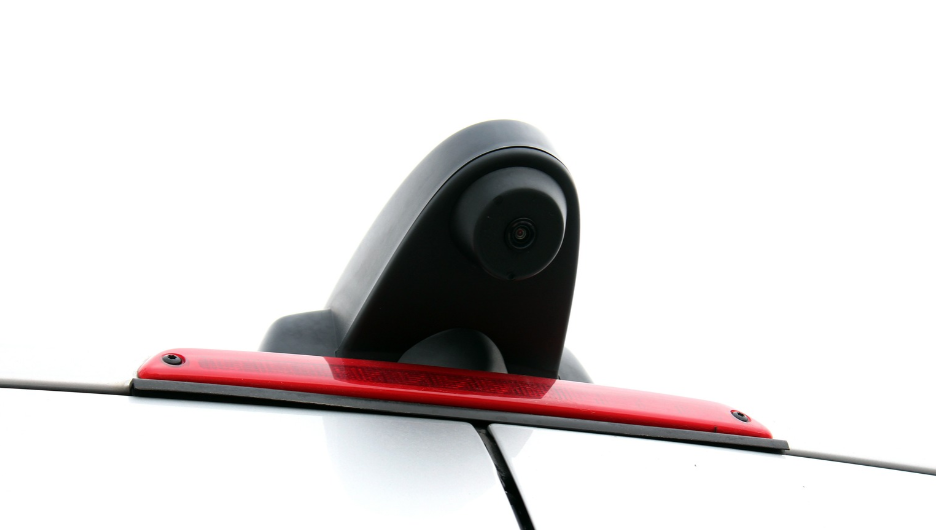
A contaminated recycling load costs money to collect, then creates another expense at the facility when it is downgraded or rejected. For a city, contamination can also reduce diversion and undermine the education campaigns intended to prevent it. Yet, operators often cannot identify the stops that caused the problem, because contamination is mostly measured after the load is tipped.
AI Contamination detection moves that measurement closer to the source. Garbage truck cameras paired with AI identify non-recyclables as the material is collected, and each detection becomes a record with photo evidence. For an operator, that turns contamination from a monthly figure into a list of addresses and accounts to act on.
Key Takeaways
- AI contamination detection uses garbage truck cameras and image analysis to identify non-recyclables at the curb, during normal collection.
- Routeware brings AI contamination detection into its platform through its partner network, and each detection arrives as an actionable record with photo evidence, not a separate dashboard.
- Detection at the curb lets haulers and cities target education at the households responsible and, for commercial accounts, bill repeat offenders based on real data.
- The same partner technology detects overflowing bins, which gives the office evidence to address extra service that crews deliver without a charge.
What Is AI Contamination Detection?
AI contamination detection is the use of cameras mounted on a collection truck, combined with image analysis, to identify items that do not belong in a recycling or organics stream as the material is collected. The system documents each detection with an image, so the operator has evidence of what was in the cart.
Standard garbage truck cameras record what happened so someone can review it later. AI contamination detection reviews the material itself, automatically, as the route is collected. A contamination detection camera takes on inspection work that would otherwise fall to the crew, and nobody needs to watch footage to find the problem, because the system automatically flags it.
Why Can’t Operators See Which Stops Contaminate a Load?
The cost of recycling contamination builds at every step after the curb, but fixing the problem requires knowing where it started.
A facility might report contamination at the load or route level, days or weeks after collection. By then the operator knows that a particular route is causing issues, but not which specific stops made it so. The usual response is a mailer or a tag campaign aimed at everyone on the route. Since many of those residents on that route were already sorting correctly, much of the cost of the campaign is wasted, while the households causing the problem often keep doing it.
How Does Contamination Detection Work on a Garbage Truck?
Routeware offers AI contamination detection through its network of technology partners, including WasteVision AI, bringing curbside image capture and detection directly into the Routeware platform. Truck-mounted cameras capture the material at the curb, and AI-powered image analysis identifies non-recyclables, turning each collection vehicle into an automated inspector.
The real value comes from what happens afeter the contamination is detected. Each detection flows into Routeware’s waste management software as an actionable record with photo evidence, so nobody needs to remember to check a vendor portal. This gives waste fleets access to proven AI vision technology without the complexity of having to manage a separate system or vendor portal.
Detection happens during normal collection, so crews keep working the route while the system documents what it sees.
| Contamination problem | Without contamination detection | With AI contamination detection |
|---|---|---|
| Finding the source | Facility reports a dirty load or route after the fact | Each detection is captured at the curb during collection, with photo evidence |
| Resident education | Mailers and tags sent to a whole route | Outreach aimed at the households responsible, with the photo as evidence |
| Commercial accounts | Contamination absorbed as a cost of service | Evidence to warn, then bill repeat offenders based on real data |
| Customer disputes | The customer's word against the driver's | A photo of what was in the container |
What Do Operators Do With a Contamination Record?
The record changes what an operator can do about contamination. For residential service, education can be given to the households that need it, with a photo of the item from their own cart. That is more specific than a flyer and harder to dismiss, and it spends the education budget on the households that need it.
For commercial accounts, the record supports a business conversation. A restaurant or a property manager that repeatedly puts trash in a recycling container can be shown exactly what went in and when. WasteVision AI is designed to help waste companies educate residents and bill repeat offenders based on real data captured during collections, so the conversation can move from a warning to a contamination charge in line with the service agreement.
The records also settle disputes. When a customer questions a charge or a rejected cart, customer service has a photo to point to, and the conversation is about the evidence. The documented proof makes every customer conversation easier.
How Does Contamination Detection Support a City Recycling Program?
For a municipality, contamination is a program problem as much as an operational one. It shows up in the diversion rate reported to council, in what the city pays or loses under its processing agreement, and in whether the education budget is producing results. Most of those numbers arrive late and at the program level, which makes it hard to show what any one campaign changed.
Detection at the curb gives a solid waste operations manager something closer to the source. Tracking detections over the weeks after a campaign gives an early read on whether it is working, ahead of the next facility report. The routes and neighborhoods that drive the contamination rate become visible, so outreach and the budget behind it can move to where they will make the most difference.
The same records help when a city contracts collection to a hauler. The hauler has photo evidence to share about where contamination starts, which makes it easier to agree on who is responsible for fixing it and to show progress against the program’s goals.
Can the Same Cameras Catch Overflowing Bins?
Yes. The same partner technology automatically detects and documents overflowing bins. An overfilled cart or commercial container is extra service the crew delivers without billing for it, and across a dense commercial route the unpaid volume adds up week after week.
A photo of the overflow gives the office evidence for a conversation with the customer about extra service, a larger container or a more frequent pickup. Drivers can log the same problem themselves from the cab, through exception logging for issues such as overflowing bins, so overflow is captured whether the camera or the crew spots it first.
Where Does Proof of Service Fit In?
Proof of service is the part of a camera program that does not depend on AI, and it works alongside contamination detection. Routeware’s Picture Service captures a timestamped, GPS-located photo at every stop, triggered by a driver interaction, a pounder button or an automatic service event, and Routeware customers see a 35% reduction in go-backs for drivers.
Proof of service shows the stop was serviced, and contamination detection shows what was in the cart. An operator running both can answer most curbside disputes with a photo, whether the complaint is about a skipped bin or a contamination charge.
Where Should an Operator Start With AI Contamination Detection?
Start with the routes that cost the most. For a hauler, that might mean the recycling routes whose loads are downgraded most often, or the commercial routes where a few accounts generate repeat contamination. For a municipality, it means addressing the neighborhoods that drive the program’s contamination rate.
Record today’s numbers first: the contamination level the facility reports, downgraded or rejected loads, contamination fees paid and what current education campaigns cost. Then assign an owner to each kind of record. Detections on residential routes go to outreach, repeat commercial offenders go to billing, and disputed charges go to customer service with the photo attached. With owners and a baseline in place, the results on a few routes make the case for the rest of the fleet.
Frequently Asked Questions
Start with the position: the cameras record service, not properties. Then answer four questions in plain terms: what is recorded and when, how long images are kept, who reviews them and why, and how they are shared with a municipal partner, if at all. Recent coverage of cities using truck cameras for code enforcement means residents and councils are likely to ask, so it helps to publish the answers before they do.
It changes the role of tagging. Drivers inspect fewer carts, because detections arrive with a photo. Many programs still use a cart tag or a follow-up notice, but the decision of which households receive one is based on recorded detections, not on what a driver happened to notice.
They work at opposite ends of the process. AI sorting systems at a recycling facility identify and separate material on the sorting line, after the load has been tipped. Contamination detection on the truck works at the curb, before the material is mixed with everything else on the route, so the operator can trace the problem back to where it started.
Yes. A person should confirm the photo before a contamination charge goes on an invoice, at least for commercial accounts. A quick review keeps charges defensible, and it gives customer service a clear answer if the account calls to dispute it.
Both options exist. Routeware’s Picture Service takes a photo at every stop, which suits proof of service. Premium Video adds continuous multi-camera recording, with up to eight cameras per vehicle, for fleets that also want footage for accident review and insurance claims.
About the Author

Luke Van Engen
Luke Van Engen is the Director of Demand Generation at Routeware, where he focuses on helping waste and recycling organizations connect with the technology and information they need to serve their communities more effectively. His background in B2B technology marketing gives him a practical perspective on the challenges facing waste haulers, municipalities, and public works teams.
 North America
 United Kingdom