Blog
Fleet Reporting for Waste Operations: Turning Vehicle Data Into Safer, More Productive Operations
by Luke Van Engen • July 14, 2026
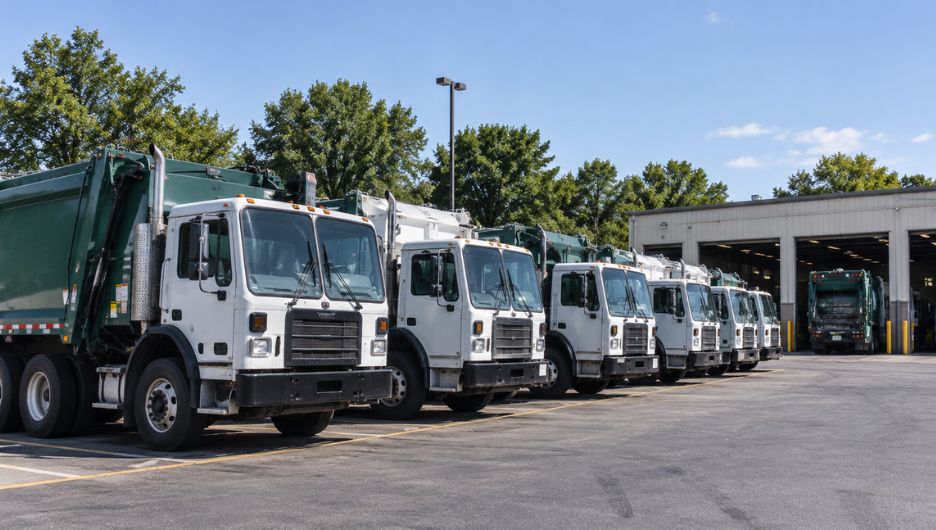
A waste fleet generates useful information every hour itis on the road, including where trucks are, how they are performing, which vehicles may need attention, and whether required inspections have been completed. For most operations, the problem is not a lack of data. It is that the information is often spread across disconnected systems or buried in paper records, making it difficult to find and act on quickly.
Without a clear view of fleet health, safety, and productivity, an operation is forced to make decisions with incomplete information.
Fleet reporting brings vehicle and equipment data into one place. Teams can use it to check current conditions, respond to time-sensitive issues, or review longer-term trends that support better planning and decision-making. This blog covers what fleet reporting is, why paper inspections quietly hold an operation back, what modern fleet reporting includes, and how the data turns into better day-to-day decisions.
One View of a Fleet That Usually Speaks in Fragments
Fleet reporting is the automated collection and presentation of vehicle and equipment data so an operation can monitor and improve how its fleet runs. For a waste operation, it provides a single view of the health, safety, and productivity of the fleet, whether the need of the moment is a quick status update mid-shift or a detailed look at historical trends over a quarter.
Most fleets already produce all of this information. What they lack is one place to see it. The engine data lives in the vehicle, the inspection lives on a clipboard, the driver’s habits live in the memory of whoever rode along last, and the equipment count lives in a spreadsheet that was accurate a month ago. Fleet reporting pulls those fragments into a single picture, because data is only as valuable as the insight it produces. A strong reporting solution is built to integrate with the tools an operation already runs and to surface the issues, trends, and opportunities that matter, rather than leaving a manager to assemble them by hand.
The Hidden Cost of the Paper Inspection
For many operations, the daily vehicle inspection is still done on paper, and that single habit creates more drag than it appears to. Paper-based vehicle inspections slow a fleet down and create compliance risk. A form filled out by hand can be rushed, incomplete, or hard to read, and it often does not reach the person who needs it until hours after the truck is already on the road. When a defect is noted on paper, the distance between recording it and acting on it is exactly where small problems grow into breakdowns and missed obligations.
There is a compliance dimension too. If an inspection record cannot be produced quickly and clearly, the operation carries risk it may not even see until an audit or an incident forces the question. Moving inspections and reporting into a digital, automated workflow closes that gap. The information becomes available the moment it is captured, not after it has travelled from the cab to the yard to a filing cabinet. That shift, from paper to real-time automated fleet reporting, is the foundation the rest of this depends on.
The Parts That Make Fleet Reporting Work
Modern fleet reporting for waste operations brings together a few connected capabilities. Each one targets a different part of keeping heavy collection vehicles healthy, safe, and productive, and each becomes far more useful when the others sit alongside it in the same view.
- Catching mechanical trouble before the route does
By integrating vehicle telematic data, fleet reporting gives a complete view of safety and performance through vehicle fault code tracking. Rather than learning a truck has a problem when it stalls halfway through a collection route, an operation sees the diagnostic and fault-code data as it comes off the vehicle. A code that signals a developing issue can be flagged and scheduled into the shop on the operation’s terms, not the truck’s, which is the difference between a planned repair and a mid-route recovery that strands a load and disrupts the day.
- Replacing the clipboard with a compliant digital inspection
Electronic DVIR replaces the paper inspection with a DOT-compliant driver app and workflow. It guides a driver through the pre-trip and post-trip inspection on a device in the cab, records each item, and streamlines the maintenance and compliance reporting that follows. When a driver flags a defect, it is documented and routed for action rather than scribbled on a sheet that may or may not surface. The operation ends up with a clean, retrievable inspection record and a faster path from a noted problem to a fixed one.
- Coaching drivers with their own performance, not a poster
Fleet reporting helps drivers continuously improve safety and best practice on their routes through personalized performance data and video. General safety reminders rarely change how anyone drives. Feedback grounded in a specific driver’s own routes, showing what actually happened rather than what a policy says should happen, gives a supervisor something concrete to coach on and gives the driver a fair, factual basis for improving. Over a season, that is what steadily lifts the safety of a whole fleet.
- Knowing what equipment you have and where it is
Fleet reporting also keeps track of assets by tagging equipment and maintaining a real-time automated inventory. For an operation managing containers, carts, and vehicles across a service area, a manual count is out of date the moment it is finished. An automated, tagged inventory means the operation always knows what it owns and where that equipment sits, which removes a persistent source of lost assets, wasted searching, and guesswork in planning.
Where the Data Becomes a Decision
The capabilities matter, but the real value of fleet reporting shows up at the moment the data turns into a decision. Because a strong reporting solution integrates with the other tools an operation runs, it can surface the business-critical issues, trends, and opportunities that would otherwise stay locked in separate systems and separate heads.
That single, connected view changes the posture of the whole operation. Instead of reacting to a breakdown, a supervisor sees the fault code early and acts. Instead of guessing which drivers need attention, they coach from real performance data. Instead of scrambling to prove an inspection happened, they already hold the record. Fleet reporting is what moves a team from reactive to proactive, from managing whatever went wrong today to seeing what is developing and getting ahead of it. That is the entire purpose of fleet and equipment data: to give the people running the fleet the insight to make better calls on safety, maintenance, and productivity.
Fleet Reporting Is Only as Good as What It Connects To
Fleet reporting delivers the most when it is part of the wider operation rather than a standalone dashboard. Fleet and equipment reporting is part of the Routeware SmartCity, built for the specific needs of waste haulers and governments. Because it connects with routing, in-cab technology, and the rest of the platform, the vehicle data feeding the reports is the same data running the operation. That is what makes the insight trustworthy, it is drawn from one connected system rather than stitched together from tools that do not quite agree with each other.
For an operation trying to get a clearer view of its fleet, that connection is the whole point. A fleet you can see, in a single view of its health, safety, and productivity, is a fleet you can steadily make safer and more productive.
Frequently Asked Questions
Fleet reporting is the automated collection and presentation of vehicle and equipment data, giving an operation a single view of the health, safety, and productivity of its fleet. It supports both quick status updates and detailed historical trend analysis.
Electronic DVIR software is a digital solution for driver vehicle inspection reports. It guides drivers through pre-trip and post-trip inspections on a DOT-compliant app and workflow, replacing paper forms and helping ensure defects are documented and addressed in line with regulations.
Yes. A purpose-built DVIR solution is designed to meet industry regulations and standards, including those set by the Department of Transportation, helping drivers meet the requirements for documenting and addressing vehicle defects.
It gives drivers personalized performance data, and in some cases video, so they can continuously improve safety and best practice on their routes. Feedback grounded in a driver’s own performance changes behavior more effectively than a general safety policy.
By integrating telematic and fault-code data, it surfaces developing mechanical issues early, so repairs can be planned before a vehicle fails on a route. This keeps more trucks available and turns maintenance from a reactive scramble into a scheduled part of operations.
About the Author

Luke Van Engen
Luke Van Engen is the Director of Demand Generation at Routeware, where he focuses on helping waste and recycling organizations connect with the technology and information they need to serve their communities more effectively. His background in B2B technology marketing gives him a practical perspective on the challenges facing waste haulers, municipalities, and public works teams.