Blog
Industrial Waste Collection Software: What Roll-Off and C&I Haulers Actually Need from It
by Katie Kinnear • September 9, 2026
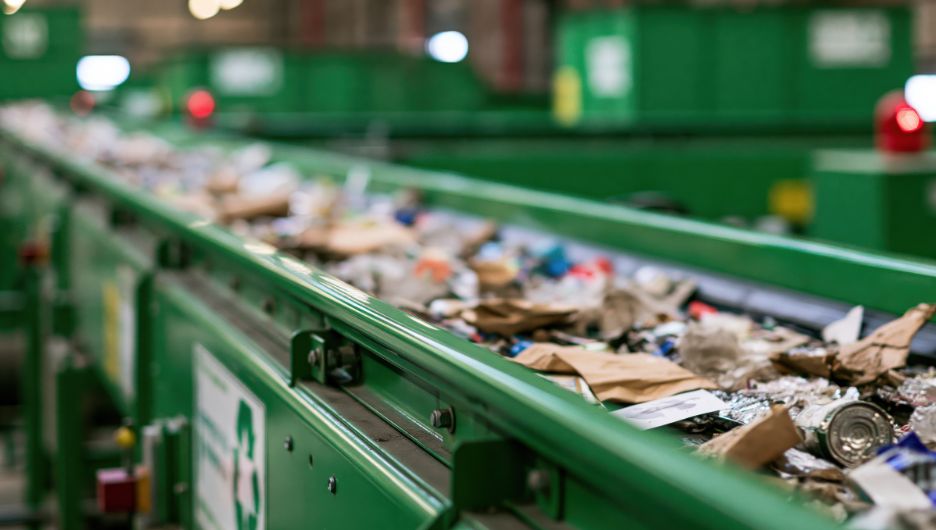
Industrial waste collection software has one job that matters most: make sure every move a box makes in the field turns into a record the office can bill from. That sounds basic. It is also where most roll-off and Commercial and Industrial (C&I) operations quietly lose money, because the work moves faster than a whiteboard and a separate accounting package can keep up with.
A note on scope first. Industrial waste here means the non-hazardous material that fills roll-off boxes and large containers at plants, construction sites, demolition jobs, and commercial properties, things like construction debris, mixed loads, and general industrial refuse. Not hazardous or regulated waste, which needs permits, manifests, and particular handling of its own. The software we are talking about here runs the roll-off and commercial-industrial side of a hauling business, the containers moving around a service area and the charges that come with them.
Key Takeaways
- Industrial waste collection software runs roll-off and C&I work, where jobs are ordered on demand instead of on a fixed weekly route.
- Its main value is turning field activity, deliveries, swaps, pulls, rental days, into charges that reach the invoice.
- Container tracking is the core of it, because idle or forgotten boxes stop earning and swaps go unbilled.
- Dispatch, proof of service, and billing built for variable charges are what separate software made for this from general route tools.
Why Roll-Off Work Needs Its Own Software
Think about a residential route for a second. Same houses, same day, and the carts are all full. It is predictable. Roll-off throws that out. A box only goes out when somebody needs one, a jobsite breaking ground, a plant that ran out of room, and it comes back on their clock. Could be four days for a busy remodel. Could be two weeks if the demo crew keeps getting pushed.
Then there is the equipment. Cable and hook lift trucks, open-top boxes, and a stop that might be a delivery, or a swap, or a final pull, or just dragging the box to the other end of the lot. Different jobs. Different charges. A system that wants a fixed stop list and one flat monthly rate cannot manage the diversity of it, which is why a hauler with a lot of C&I work usually ends up working around the software instead of with it.
Container Tracking Is the Core of It
A residential hauler rarely thinks about where its carts are, since they stay put at their addresses. A roll-off hauler must know where each box is, because the boxes cost real money and they move constantly. A single 40-yard container is a sizable capital item, and a couple hundred of them spread across a metro area is a lot of money that is either earning rent or sitting idle. Inventory management is the first thing industrial waste collection software must do well.
So, for each box you need to be able to answer, right now, who has it, what site it is on, how many days it has been sitting, and what happens to it next. Miss that and things slip. A box left on a job which wrapped weeks ago earns nothing, when it should be running up daily rental fees. A swap the driver did but never entered is a haul you gave away. Once you are past a couple dozen boxes, a whiteboard or a spreadsheet stops keeping up, and every discrepancy costs money. Put each container on a record instead: status, location, days on site, next move, and the mess of scattered boxes becomes something the office can track.
Taking Orders Without Making a Mess
It all starts with the order, and how that order gets taken decides how much cleanup happens later. Busy operators keep intake short with a few set options rather than a fresh conversation every time. Let the order get messy, and you pay for it twice, once in dispatch and again in billing.
Who is ordering makes a difference too. A homeowner grabbing a box for a garage cleanout is not the same as a builder who needs a swap on an active site, or a contractor with a standing account who orders every week. Different needs, different setup. The one-off residential jobs are easier to take prepaid, haul and disposal charged up front, so there is no credit check and nobody chasing a payment later. The regular commercial accounts can run on terms. And the straightforward orders, the repeat stuff, a customer can just place through a self-service portal, which gets it off the office and leaves staff to deal with the accounts that actually need a person on the phone.
Dispatch That Keeps Up With the Day
Dispatch is the part that never holds still. You will get a delivery request, and then somebody needs a swap before their box runs over, and then a job wraps and they want the box gone, and that is just the morning. None of it was on the schedule an hour ago. The dispatcher has to fit every one of those into a day that is already full, working around the trucks that are out, the drivers on them, and the jobs already sitting on the board.
That mandates a real-time view, not a paper list. A dispatcher should see every truck, every open order, the status of each container, and how far along each driver is, then slot a new job in without calling around to find a taker. Dispatch built for this shows the knock-on effect of a change as it happens. Add route optimization that sequences the day’s deliveries, swaps, and pulls, and a driver can chain nearby jobs instead of crossing town twice for two sites a mile apart. A roll-off truck is expensive to run by the hour, so the number of jobs it finishes in a shift drives most of the operation’s economics.
Billing Built for the Charges Roll-Off Throws Off
Clean billing starts earlier than most people think, with pricing that is simple enough to invoice from. If the customer can understand the rate, the system can quote it, and the office can send it without stopping to check. Prices that need a decoder ring slow down every order and every invoice behind it.
And there are a lot of charges. A single customer might rack up a delivery fee, a haul charges every time the box gets dumped, disposal off the scale ticket, daily rental after the box sits past its free days, plus an overweight fee if a load comes in heavy. Then there is the dry run, when the driver rolls up and cannot get to the box because a gate is locked or somebody parked in front of it. Billing that reads all this off the recorded jobs drops it onto the invoice, and nobody has to rebuild the month from memory. The swap the driver logged turns into a haul charge. Rental just adds up on its own. So much of the money in roll-off hides in these odd variable charges that catching them from the field is about the biggest thing the software does for the margin.
Proof of Service in the Cab
Roll-off jobs produce disputes, and the dollar amounts beat a residential missed-cart call. A customer says a box was never delivered, argues an overweight charge, or contests demurrage on a box they insist they called to have pulled a week earlier. With no record, the hauler tends to credit it and move on.
Catching it at the job is what ends most of these before they turn into a fight. The driver logs each stop in the in-cab app: time, GPS, a photo, and now the hauler can show the box went out when the record says, or show it loaded a good two feet over the rails, which is what the overweight fee was for, or show the locked gate that turned the trip into a dry run. Hard to argue with a photo. That is revenue that would have walked out the door as a credit, and it lets an operator bill the overages and dry runs a nervous dispatcher would usually just wave off to keep somebody happy.
Keeping Customers Posted Without the Phone Calls
A roll-off customer wants to know when the box is coming, when the swap will happen, and whether a delivery slipped a day. In a manual shop, those calls take up a real slice of the office’s day. Automated status updates cover most of them without tying up a person.
Notifications on order status, delivery windows, and changes do two things worth having. The customer gets the answer without calling, which matters to a site super scheduling a crew around an empty box. And the office stops answering the same handful of questions repeatedly. The self-service tools that let a customer place an order can keep them posted for the rest of the job. For a growing operation, this is part of how the account count climbs without the call volume climbing to match.
Compliance and Room to Grow
Two things sit under a roll-off operation and decide how well it holds up as it grows. One is keeping equipment and drivers compliant. The other is keeping the process lean enough to scale.
Heavy container work comes with obligations. Trucks and hook lifts need inspection and upkeep, drivers have to follow load securement rules, and the operation has to work within local rules on how and where material gets disposed. Digital fleet and equipment reporting keeps inspection records and vehicle status in order, which pays off when a truck gets pulled over or an auditor comes asking. On the growth side, the operators who scale cleanly keep their process simple, so a fifty-container account or a busy demolition season does not force a rebuild of how the office runs. Complexity creeps in one exception at a time and clearing it out on purpose keeps it from piling up.
What to Look for in Industrial Waste Collection Software
Here is the same ground as a checklist. The left column is what the software should do. The right column is the question that shows whether it does.
| Capability | What industrial waste collection software should do | The question to ask a vendor |
|---|---|---|
| Container tracking | You can open it any morning and see where every box sits, whose site it is on, and how many days it has racked up. The days part is where the money is, because an idle box should be billing rental. | Can you show me right now every box that is idle or past its free days? |
| Order management | The repeat orders come in without a phone call, so a contractor who wants the same 30-yard every week just places it himself and your office never touches it. | Does taking an order still mean somebody types it into three places by hand? |
| Dispatch | When a pull lands at 10 a.m., it drops onto a truck without you redrawing the board, and you see what the change does to the rest of the day as you make it. | Can you slot in a new job without calling three drivers to sort out who is closest? |
| Pricing and billing | Swaps, rental days, overages, and disposal come straight off what the driver logged and turn into invoice lines, instead of somebody rebuilding the month from memory. | How many of your variable charges still get keyed in by hand, and how many go missing? |
| Service verification | Every job carries a time stamp, a GPS point, and a photo, so a delivery dispute or an overweight fight gets settled with the picture instead of an argument. | How do you win that dispute today when there is no proof from the field? |
| Compliance and scale | Inspection and vehicle records stay clean for the compliance side, and the setup does not fall over the day you land a fifty-container account. | What breaks when you double the volume, and is it a rebuild? |
Weight these criteria to wherever your operation currently feels a pain point. If you are losing money to disputes, service verification and billing are the ones to care about. If you are trying to grow, look harder at ordering, dispatch, and whether the thing still holds up when the volume doubles. Hold a system up against your own problems, not somebody’s feature list.
One System That Runs the Whole Job
Most of the money a roll-off operation loses goes missing in one place: the gap between what a driver did on a site and what the office knew to bill for it. A 40-yard box left on a job three weeks past its included seven days is rental the hauler earned. It reaches the invoice only if the delivery date was logged and something is counting the days against it. The same goes for a swap that got done but never keyed in, or a dry run the driver made when a gate was locked, and the site was unreachable.
Keeping those details straight across dozens of boxes in motion is the job, and it is why roll-off haulers tend to outgrow a dispatch whiteboard and a separate accounting package fairly early. Routeware Elements puts the pieces in one system: routing, dispatch, the in-cab app, container tracking, and billing. A charge comes off the recorded job instead of someone’s recollection at month-end, and a relocation gets handled differently from a pickup because the people who built the software ran this kind of operation.
Frequently Asked Questions
It is the software a hauler uses to run roll-off and commercial-industrial collection, covering container tracking, ordering, dispatch, proof of service, and billing. It is built for work that gets ordered on demand and priced job by job, rather than the fixed routes and flat rates of residential collection.
Residential runs on a schedule you can predict, same stops, similar volumes. Roll-off does not. Boxes go out, get swapped, and get pulled on whatever timeline the job runs; the volumes jump around, and each move is something you bill for on its own. That is why haulers treat roll-off as its own line of business, with software to match.
The boxes are worth a lot, and they are always moving. A deployed box earns rental. An idle or forgotten one just costs money. If the software shows where each one is, how long it has sat, and when it is due to be swapped or pulled, you can serve the customer and bill the rental and swaps. Lose track, and those charges quietly go uncollected.
It records the variable charges the work generates so they land on the invoice instead of getting missed, from haul fees and rental days to overages and disposal. Proof of service also cuts the revenue lost to disputes over deliveries, overweight loads, and demurrage.
This covers non-hazardous industrial, construction, and heavy commercial waste in roll-off boxes and large containers. Hazardous and regulated streams carry separate compliance and handling requirements and are a different discipline, though the operational basics around containers, dispatch, and billing still carry over.
About the Author

Katie Kinnear
Katie Kinnear is Director of Brand Strategy at Routeware, where she leads brand, messaging, events, and communications efforts across the company’s full product suite. A 2024 Waste360 40 Under 40 honoree, she is passionate about advancing meaningful dialogue around circular solutions, smart city technology, and the future of waste and recycling. Katie serves on the boards of the Utah Recycling Alliance and Recycle Utah, extending her commitment to sustainability beyond the workplace and into her community.
 North America
  United Kingdom