Blog
Waste Billing Software: A Guide for Waste Haulers
by Luke Van Engen • July 13, 2026
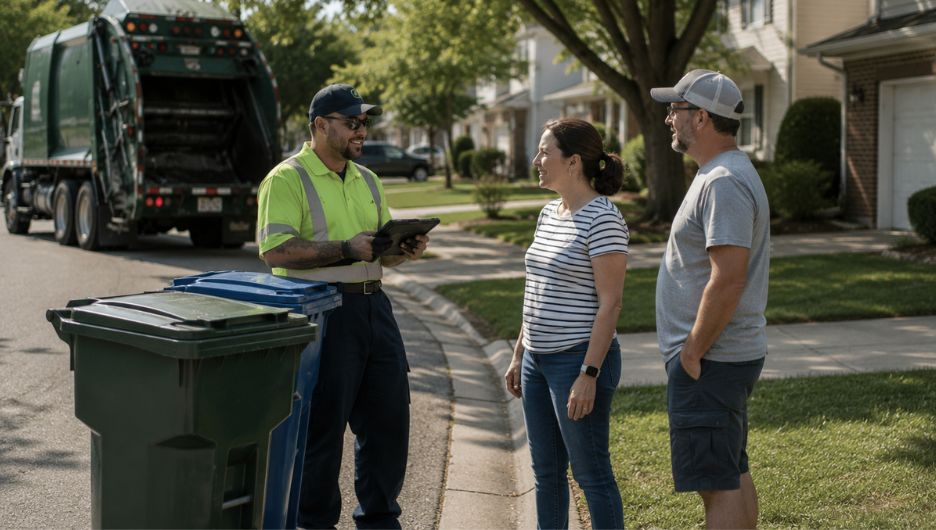
For waste haulers, the revenue a business earns and the amount it actually collects are not always the same. Every service completed, extra pickup, and mid-cycle change needs to make it onto an accurate invoice. When it does not, that difference becomes lost revenue. From the outside, the process seems straightforward: collect the waste and send the bill. The back office knows it is more complicated than that. Pricing rules, exceptions, credits, and reconciliation all add complexity, and the billing system managing those details has a direct impact on how much of the work performed actually turns into cash.
That gap between work completed and money collected is where billing software becomes especially important. The right system helps close it. The wrong system, or one that operates separately from the rest of the business, can make it wider over time. The losses may not stand out on any single invoice, but they can add up significantly over the course of a year. This blog explains what waste billing software is, why the distance between the field and the invoice can quietly cost haulers money, and what to look in a system that helps close that gap rather than widen it.
Key Takeaways
- Waste billing software manages pricing, invoicing, and payments for a hauling operation, converting completed service into collected revenue.
- Its value depends on connection: when billing shares data with routing, in-cab, and payments, chargeable work is captured instead of lost between systems.
- The right system reduces revenue leakage, speeds up payment, and frees the accounting team from manual reconciliation.
- Billing software should scale with the operation and integrate with the tools around it, rather than becoming a silo as the business grows.
What is waste billing software?
Waste billing software handles the money side of a hauling business, the pricing, invoicing, and payment collection that turn completed routes into paid invoices. Unlike general accounting tools, it is built for the specifics of waste: mixed service types, per-customer rates, disposal fees, and varied billing cycles, all tied back to what the fleet actually serviced.
The distinction that matters is between a standalone billing package and an integrated one. A standalone tool can produce invoices, but it depends on someone manually feeding it what was serviced, which is where errors and missed charges creep in. Integrated waste billing software draws service data directly from the field, so the invoice is built from what actually happened rather than what someone remembered to enter. That connection is the difference between billing that leaks revenue and billing that protects it.
Why the Link Between Field and Invoice Matters
The single biggest source of lost revenue in a hauling operation is the gap between what was done in the field and what makes it onto the invoice. An extra pickup that never gets charged, a service change that never reaches billing, a credit issued because no one could prove the service happened, each is small on its own, and together they add up to a meaningful hole in the year’s revenue.
Closing that gap is the central job of good waste billing software. When the service record and the billing system share the same data, every chargeable service is invoiced, extras are captured, and disputes are resolved with a clear record rather than a guess. This is why the connection to in-cab technology matters so much: when the truck confirms what was serviced and that confirmation flows straight into billing, the invoice reflects reality. The same connection speeds up the back office. Instead of reconciling field reports against invoices by hand, the accounting team works from a single source of truth and spends its time on the exceptions that genuinely need attention.
What Features Should Waste Billing Software Have?
Not all billing tools are built the same. A generic accounting package can produce an invoice, but waste billing software earns its place through the capabilities that handle how a hauling operation actually charges for work.
- End-to-end billing platform: The strongest systems connect billing, payments, accounting, routing, and in-cab out of the box, so data moves between them without manual bridging. This is what makes billing accurate rather than merely automated.
- Price and rate management: Waste pricing is rarely simple. Standard rates, custom rates per customer, tiered pricing, surcharges, and varied billing cycles all have to be handled cleanly, so services can be set up quickly and billed correctly the first time.
- Pre-invoice auditing: Before invoices go out, the system should surface what is ready to bill and flag errors or gaps, so they can be corrected before a customer ever sees them rather than after a dispute
- Click-to-pay and online payments: Emailing an invoice with a payment link, or offering a customer portal, gets money in faster and reduces the friction that slows collection. Faster payment directly improves cash flow.
How to Choose the right Waste Billing Software that Scales?
Billing software is a long-term commitment, and the most common mistake is choosing a system that fits the operation today but cannot handle where it is going. A hauler running a handful of trucks has different needs than one integrating acquisitions across multiple territories, and the software has to grow with the business rather than against it. A few questions matter more than the rest.
Will it scale as the business grows?
The system should absorb more vehicles, routes, and customers without a painful re-implementation each time. A platform that handles ten trucks should still work at a hundred and fifty.
Does it integrate with the rest of the operation?
Billing that cannot connect to in-cab technology, routing, and onboard systems becomes a bottleneck. Open architecture and a genuine API are what keep a billing system from turning into a silo.
Is it built for the cloud?
A modern, cloud-based platform means the operation is always on the latest version, without disruptive upgrades or migrations, and without the downtime that legacy systems impose.
Can it keep up with compliance?
Regulatory and reporting demands only grow, and a billing system that cannot support them will eventually force manual workarounds that undo its value.
Answering yes to these questions is what separates a billing system that supports growth from one that quietly caps it. The right platform scales with the operation, connects to the tools around it, and keeps pace with compliance rather than forcing the team back into spreadsheets.
Billing as the Financial Core of the Operation
From the back office, waste billing software is the financial core the rest of the operation feeds into, and its quality determines how much of the work done in the field is fully and accurately turned into revenue. A disconnected billing system leaks money quietly, through uncharged extras, unnecessary credits, and hours of manual reconciliation. A connected one captures what the operation earns and gets it paid faster.
For haulers weighing their options, the questions stay consistent. Does the billing system reflect what actually happened in the field? Does it connect to the rest of the operation rather than standing apart from it? Will it scale as the business grows? Billing software is a core component of Routeware’s Elements platform for haulers, built to keep the answer to all three a yes.
Frequently Asked Questions
Waste billing software is the system a hauler uses to price services, generate invoices, and process payments. The most capable systems connect billing with routing, in-cab technology, and payments, so invoices are built from the actual service record rather than manual entry, which protects revenue and reduces errors.
It closes the gap between what happens in the field and what appears on the invoice. When service confirmation flows directly from the truck into billing, every chargeable service is captured, extras are not missed, and credits are not issued in error, so the operation is paid for the work it actually performed.
Look for an integrated platform that connects billing to the rest of the operation, flexible price and rate management, pre-invoice auditing to catch errors, online payment options, and the ability to scale as the business grows. Open architecture and a genuine API are essential for avoiding silos.
The most capable systems do, and that integration is what makes billing accurate. When routing and in-cab technology feed the billing system directly, the invoice reflects the actual service performed, which captures chargeable work and reduces disputes.
A capable platform connects with accounting and general ledger systems and can migrate data from a previous provider. The goal is a single connected flow from field service to invoice to accounting, rather than disconnected tools that require manual reconciliation.
About the Author

Luke Van Engen
Luke Van Engen is the Director of Demand Generation at Routeware, where he focuses on helping waste and recycling organizations connect with the technology and information they need to serve their communities more effectively. His background in B2B technology marketing gives him a practical perspective on the challenges facing waste haulers, municipalities, and public works teams.
 North America
  United Kingdom