Blog
From Complaints to Confidence: How Cities Reduce Missed Pickups Without Adding Crews
by Routeware Team • February 2, 2026
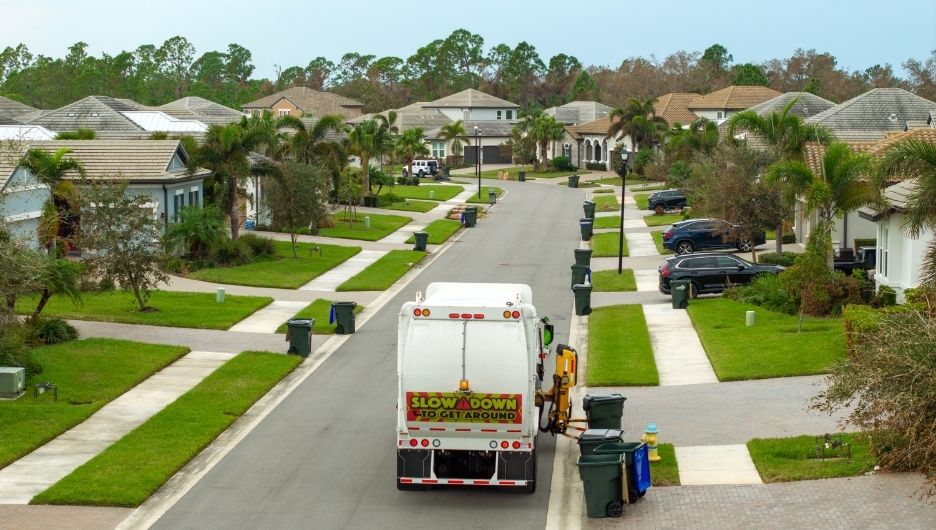
Missed trash and recycling pickups are one of the fastest ways to erode trust between a city and its residents.
A single missed stop can trigger complaints, service tickets, overtime, return trips, and frustrated crews — all while supervisors scramble to piece together what actually happened. And while the instinctive response is often “we need more drivers” or “we need more routes,” the reality is usually much simpler.
Most missed waste collection pickups aren’t caused by staffing shortages, but by disconnected systems and delayed communication.
The good news? Cities and haulers across North America are reducing missed pickups and resident complaints without adding crews or equipment by choosing a waste management software solution. This modernizes how information flows between drivers, supervisors, and residents.
Why Missed Garbage Pickups Happen (Even with Experienced Crews)
Missed pickups are rarely the result of a single mistake. They usually come from a chain of small gaps, such as:
- Paper routes that are hard to follow or easy to misread
- Last-minute route changes that don’t reach drivers in time
- Construction, weather, or blocked access not reflected in dispatch systems
- No real-time confirmation of completed service
- Residents unsure of schedules, set-out rules, or holiday changes
When operations rely on disconnected tools or manual workflows, supervisors often don’t learn about a missed stop until a resident calls…long after the truck has left the area.
By then, the damage is already done.
The Hidden Cost of “We’ll Send Someone Back”
Sending a waste management truck back to resolve a missed pickup feels like good customer service. But it comes with real costs:
- Overtime pay and fuel expenses
- Increased wear on vehicles
- Driver frustration and fatigue
- Delayed service elsewhere on the route
- Higher emissions and operational inefficiency
Multiply that by dozens or hundreds of missed stops per month, and the impact becomes significant.
Reducing missed pickups is all about satisfaction, operational efficiency, safety, and budget control.
What Real-Time Visibility Changes for Supervisors
One of the biggest shifts modern cities are making is moving from after-the-fact reporting to real-time operational visibility.
When supervisors can see routes as they are driven, they can:
- Identify skipped or delayed stops immediately
- Reroute crews before a problem becomes a complaint
- Respond to issues like blocked streets or vehicle breakdowns in real time
- Make informed decisions with proper fleet tracking and reporting
This visibility turns supervision from reactive firefighting into proactive management — often preventing missed pickups altogether.
How In-Cab Tools Protect Drivers and Improve Accuracy
Drivers are the backbone of waste operations, yet they’re often expected to work with outdated tools.
Modern in-cab technology changes that by giving drivers:
- Clear, digital routes with turn-by-turn guidance
- Real-time updates from dispatch
- Easy service confirmation and proof of service
- Fewer distractions and less paperwork
When drivers know exactly what’s expected — and can easily verify completed work — missed stops drop dramatically.
Just as importantly, proof of service protects drivers when questions arise. Instead of disputes, teams have data-backed clarity, contributing to driver job satisfaction.
Closing the Loop with Residents Through Communication
Many “missed pickup” complaints aren’t actually missed pickups at all. They’re misunderstandings caused by unclear communication.
Common examples include:
- Incorrect set-out times
- Holiday schedule changes
- Weather-related delays
- Special collection rules
Modern resident waste communication tools help cities reduce confusion by delivering:
- Proactive alerts and reminders
- Real-time service updates
- Clear schedules and calendars
- Self-service access to answers without calling in
When residents know what to expect — and when to expect it — complaints drop and trust increases.
What Connected Operations Really Look Like
Reducing missed pickups requires more than a single tool. It requires connected operations, where information flows seamlessly between the field, the office, and the community.
Connected waste operations include:
- Real-time route and fleet visibility
- In-cab tools designed for real-world use
- Centralized dashboards for supervisors
- Resident education and self-service tools
- Automatic updates across systems
When these pieces work together, issues are resolved before they escalate, and crews can focus on service, not recovery.
The Measurable Impact of Fewer Missed Pickups
Cities and haulers that modernize their operations consistently see:
- Fewer resident complaints and service tickets
- Lower call center volume
- Reduced overtime and fuel costs
- Improved driver morale and retention
- Stronger public trust and transparency
Most importantly, they achieve these outcomes without expanding routes or adding staff.
From Complaints to Confidence
Missed pickups don’t have to be a fact of life in waste operations.
By replacing paper-based workflows and disconnected systems with connected, real-time technology, cities can move from reactive service recovery to proactive service delivery.
The result is a waste operation where:
- Drivers feel supported
- Supervisors stay informed
- Residents stay confident
That’s how complaints turn into confidence — and how modern waste management operations deliver better service for everyone.
Get Started with Routeware’s waste management software solutions.