Blog
Garden Waste Management: How UK Councils Can Run a Service That Works
by Livvie Holt • October 7, 2026
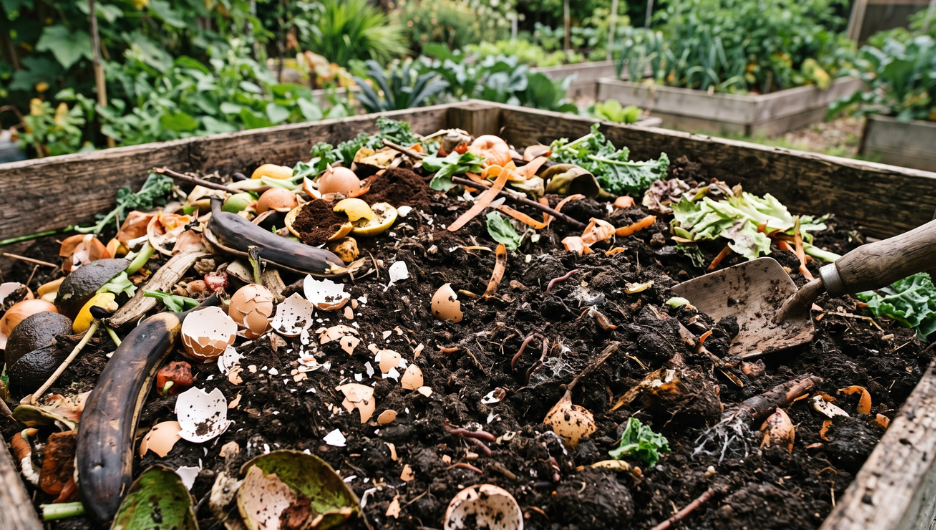
Of all the waste streams a council collects, garden waste is the odd one out. Since Simpler Recycling came into force in March 2026, food waste and dry recycling are collections a council must provide. Garden waste is not, unless a household requests it. When a household does, the council must provide a garden waste collection as of 2026, and it is allowed to charge a subscription fee for the service. It remains the one stream a council can charge for, and most now do, which turns garden waste from a routine collection into something closer to a commercial subscription service the council has to run, market, and administer on top of everything else.
That distinction matters, because a subscription service brings work a standard collection round never did. Residents sign up and pay, so someone has to take the payments, track who is entitled to the service, get the right bins or permits to the right addresses, handle the replacements and the renewals, and keep tens of thousands of subscribers informed. Done well, garden waste is a valued service that brings in income a stretched council genuinely needs. Done badly, it becomes an administrative burden that generates complaints and swallows officer time. The difference comes down to how the service is managed.
Key Takeaways
- Since Simpler Recycling took effect in March 2026, garden waste is the one household stream councils can still charge for, collected only on request, and most run it as a paid subscription.
- A subscription service creates admin a standard round does not: sign-ups, entitlement tracking, permit or bin fulfilment, replacements, and renewals.
- Getting fulfilment and communication right is what makes garden waste a valued, income-generating service rather than a source of complaints.
- The right systems reduce the administrative load on officers and help crews work efficiently on the round.
Why Garden Waste Is Different After Simpler Recycling
The Simpler Recycling reforms standardised household collections across England, and every council must now collect food waste and the core dry recyclable materials. Garden waste was deliberately left out of that requirement. When the government finalised the reforms, it confirmed that councils can continue to charge for garden waste collections, because it did not judge the case for making the service free to be strong enough. Government guidance is explicit that a council only has a duty to collect garden waste where a household has requested the service and paid any charge that applies.
The practical effect is that garden waste now sits in a category of its own. It is an optional, chargeable service, and with more than half of councils already charging and many more considering it under real budget pressure, the subscription model has become the norm. For a council, that reframes the whole exercise. Garden waste is no longer just a round to be driven. It is a paid service with subscribers who expect the standard of administration and communication they would get from any organisation they pay, which is a higher bar than a universal, council-tax-funded collection ever had to clear. You can read the government’s own summary of the changes on GOV.UK and a fuller briefing from the House of Commons Library.
The Hidden Administrative Burden of a Subscription Service
The part of garden waste that catches councils out is rarely the collection itself. It is the administration behind the subscription. When a council decides to charge, it takes on a body of work that looks small per household and becomes substantial across tens of thousands of them.
Consider what a single subscription involves over a year. A resident signs up and pays, and their entitlement must be recorded and kept current. They need proof of their subscription, whether that is a permit for the bin or a record the crew can check. If a permit is lost or damaged, or the resident moves, a replacement must be issued. When the subscription period ends, the renewal must be prompted, processed, and reflected on the round. Multiply that across a whole district, add a new season’s sign-ups arriving in a concentrated few weeks, and the administrative load is considerable. Handled on spreadsheets and manual processes, it consumes officer time, generates errors, and produces exactly the resident complaints a paid service can least afford. This is the work that quietly determines whether a garden waste scheme is worth running, and it is where the right management approach earns its place.
Getting Permits and Fulfilment Right
For the many councils that use a permit to show a bin is subscribed, fulfilment is a genuine operational challenge. A permit scheme means producing, packing, and delivering a physical item to every subscriber, accurately and on time, and doing it again for every replacement and every new sign-up through the year. It sounds simple until it is happening at scale against a seasonal deadline.
The things that go wrong here are practical. Print runs must be ordered and managed. Permits have to reach the right residents before the collection season starts, or the council fields a wave of calls from people who have paid and received nothing. Every item has to be correct, because a mis-packed or mis-addressed permit is a complaint and a re-send. This is where a dedicated fulfilment capability changes the picture. Routeware manages garden waste permit production and delivery for councils end to end, with production fully camera-inspected so that every job is packed correctly before it is dispatched, and an average lead time of three days from upload to dispatch. That reliability matters most at the start of a season, when a council needs tens of thousands of permits out to residents quickly and cannot afford production to become the bottleneck.
Helping Crews Work Efficiently on the Round
A chargeable service also changes what happens at the kerbside. On a universal round, a crew empties every eligible bin. On a subscription round, the crew has to collect from the residents who have paid and not from those who have not, which introduces a checking step that can slow a round down considerably if it is handled manually.
A visible permit is what makes it workable. Give every subscribed bin a brightly coloured permit and the crew can see at a glance which bins to empty, instead of checking each address against a list while the clock runs. That one visual cue keeps the round moving and cuts the errors that turn into complaints, a paying resident missed, or a bin emptied that never subscribed. Tie it to in-cab technology and the entitlement sits alongside the crew’s other round data, so the record on the screen and the permit on the bin back each other up. And the permit quietly sells the service. A neighbour seeing one on the bin next door is how a fair few people decide to sign up.
Keeping Subscribers Informed
Residents who pay for a service expect to be kept informed, and communication is where a garden waste scheme either builds goodwill or generates avoidable contact. A subscriber wants to know when their collection is due, what they can and cannot put in the bin, and when their subscription is up for renewal. When those questions are not answered proactively, they arrive as calls and emails to a council contact centre that is already busy.
Connecting residents to their own service information addresses this directly. When people can check when their next garden waste collection is due, see what belongs in the bin, and know when their renewal falls, self-service tools take a large share of routine contact away from council staff and give residents a better experience at the same time. Proactive renewal prompts also protect the council’s income, because a subscriber who is reminded in good time is far more likely to renew than one who is left to lapse. Good communication is not a soft extra on a garden waste service. It is part of what keeps subscribers paying and keeps the contact centre from being overwhelmed.
Moving From a Free Service to a Chargeable One
For councils still making the move from a free garden waste collection to a chargeable one, the transition is a project in itself, and it is where many of the risks concentrate. Residents who have never paid for garden waste will have views about starting, so the change has to be communicated carefully, and the operational side, the payments, the entitlement records, the permit design and fulfilment, has to work from day one, because a shaky launch of a paid service is hard to recover from.
This is a point where experience counts. PermiServ, Routeware’s garden waste permit printing and management solution, has supported UK local authorities with garden waste for years, working with more than 120 councils and delivering over 10 million permits to residents, which means the operational pattern of a subscription scheme is well understood. A council making the transition can lean on that to design its permit artwork, set up the administration, estimate likely demand, and handle the fulfilment, so the council’s own team can concentrate on communicating the change to residents rather than building the machinery behind it. Getting the launch right sets the tone for how residents regard the service for years afterwards, which is why the transition deserves proper support rather than being treated as a simple switch.
Making Garden Waste a Service Worth Running
Garden waste occupies an unusual position for a council. It is optional, it is chargeable, and it is the one part of the collection service that behaves like a commercial subscription, with the income and the administrative demands that implies. Run with the right systems behind it, it is a service residents value and a source of income a council under financial pressure genuinely needs. Run without them, it is an administrative drain that generates complaints and consumes officer time.
The difference lies in managing the whole service properly: the subscriptions and entitlements, the permit fulfilment, the efficiency of the round, and the communication that keeps subscribers informed and renewing. Routeware supports UK councils across those areas, combining reliable permit management and fulfilment with the technology that keeps crews efficient and residents informed. For a council looking to run a garden waste service that works for its residents and its budget, that combination is where a better service begins.
About the Author

Livvie Holt
Livvie Holt is Senior Marketing Manager at PermiServ by Routeware. As an experienced content marketer, Livvie founded and leads The Little Green Network, a community for garden waste professionals. The network produces resources such as The Little Green Book to help councils make confident decisions about their garden waste services. Livvie writes about how garden waste services are changing, and why the waste stream matters more than ever following the government’s Simpler Recycling reforms.
 North America
 United Kingdom