Blog
Campus Waste Management: Driving Recycling on a Campus That Never Stops Changing
by Katie Kinnear • August 12, 2026
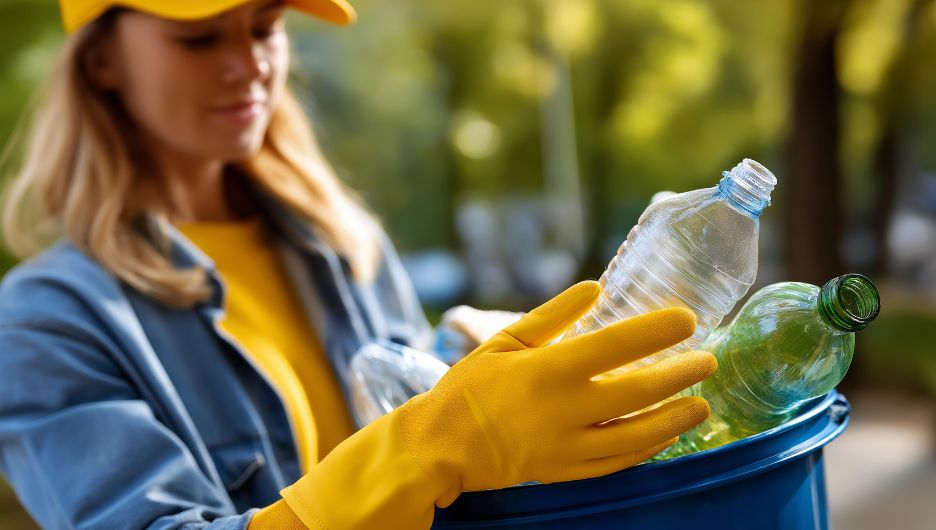
A university is one of the hardest environments in which to run a waste and recycling program due to the nuances of campus life. Every autumn, thousands of new students arrive, most of them bringing recycling habits from somewhere else, some good, some bad, none of them matched to this campus’s particular rules. A dense, mixed-use environment of dorms, dining halls, labs, offices, and stadiums generates a wide range of waste streams within walking distance of each other. And twice a year, move-in and move-out weeks turn an ordinary operation into a surge of furniture, boxes, and discarded belongings that would overwhelm a program built only for the steady state.
That combination makes campus waste management a distinct discipline rather than a scaled-down version of municipal collection. A city serves a relatively stable population that learns its rules over years. A campus serves a population that substantially turns over every single year, which means the education never finishes and the program can never coast on established habits. The universities that recycle well are the ones that build a program designed for a community that is always partly new, giving that community clear, constant, easy-to-use guidance rather than expecting it to already know the rules.
Key Takeaways
- Campus waste management is uniquely difficult because the student population turns over every year, so recycling education can never pause.
- Move-in, move-out, and campus events create volume surges that a steady-state program cannot handle well.
- Contamination on campus comes largely from well-meaning guesswork, which clear, accessible guidance directly reduces.
- Digital tools that answer what goes where, remind students of schedules, and handle bulky pickups drive participation that lasts.
Why the Student Body Makes Campus Waste Different
The single defining feature of campus waste management is the transience of the population. A university’s community is not a fixed group that gradually learns and internalizes the recycling program. It is a body of tens of thousands of people, a large share of whom are new each year, arriving with habits formed in different cities, states, or countries, each with different rules about what is recyclable and how.
This turns education from a one-time campaign into a permanent operating requirement. A municipality can run a recycling education push, establish the norms, and largely rely on them for years. A campus cannot, because a quarter or more of its population will be replaced by people who never saw that campaign. Whatever a university teaches its students about recycling this year, it has to teach again next year to a substantially different audience, and it has to make the guidance available continuously rather than in a single burst, because new students need the answer at the moment they are standing in front of a bin, not during an orientation session they may barely remember. Any campus program that does not account for this constant turnover will see its recycling gains reset every September.
Move-In, Move-Out, and the Waste No One Planned For
Layered on top of the year-round challenge are the predictable surges that campus life produces, and they are unlike anything a steady residential route faces. Move-in and move-out are the largest. Over a few compressed days, students arrive with or discard enormous volumes of furniture, packaging, electronics, and unwanted belongings, and a program built for ordinary weekly volume simply cannot absorb it without a plan.
Campus events add their own spikes. A home game, a large conference, or a graduation weekend concentrates a great deal of waste into a short window and a specific area of campus. These surges are not disruptions to the normal pattern so much as a defining part of the campus calendar, and managing them is central to campus waste operations rather than an occasional exception. The programs that handle them well anticipate them, communicate clearly with students about how to handle the extra volume, and give the community easy ways to dispose of bulky items properly rather than leaving them piled by a dumpster. Handling the surge is not only an operational matter. It shapes how students, neighbors, and the wider public perceive whether the university has its environmental house in order.
Contamination: The Cost of Well-Meaning Guessing
Most recycling contamination on a campus does not come from indifference. It comes from people who want to recycle correctly but do not know how, and guess. This behavior, often called “wishcycling”, is placing something in the recycling bin in the hopeful belief that it belongs there, and it is especially common on a campus full of newcomers facing unfamiliar rules. The result is a recycling stream compromised by the very people trying to support it.
The solution is not more exhortation to recycle, which a motivated campus population has usually already heard. It is removing the guesswork at the moment of disposal. When a student can quickly find out whether a specific item belongs in recycling, compost, or landfill, right when they are deciding, contamination falls, because the well-intentioned guess is replaced by a correct answer. This is where accessible, real-time guidance matters more than any poster campaign. Consistent bin signage and tools like ReCollect’s Waste Wizard let students and staff look up what goes where across campus, reducing the wishcycling that drives contamination and building the consistent behavior a recycling program depends on. The University of Michigan, serving a community of more than sixty thousand, uses exactly this approach, offering guidance for more than three hundred materials at the point of disposal, which turns an unanswered question into a self-serve answer.
Meeting Students Where They Are: On Their Phones
A campus population is young, digital, and unlikely to consult a printed leaflet or a bulletin-board poster, both of which go out of date, get lost, and generate their own waste. Reaching this community means reaching it the way it already communicates, through a phone, with information available on demand rather than pushed through channels students ignore.
Digital campus tools are built around this reality. Beyond on-demand disposal guidance, a collection calendar gives students clear schedules, automated reminders, and service alerts, which matter most precisely during the move-in, move-out, and event periods when the schedule departs from the norm. A self-service bulky item pickup form lets students submit requests for large items during those high-volume windows without a flurry of emails and phone calls to the sustainability office. And a fully branded campus mobile app gives the community a single place to find waste and recycling information, educational content, and program updates. Delivered through Routeware ReCollect, these tools meet students on their phones, which is the only place a program serving this population can reliably reach them. The added benefit is that digital guidance never goes stale the way a printed sign does, and it can be updated the moment a program changes.
How the University of Michigan Helps 60,000 People Recycle Right
The University of Michigan illustrates what this approach delivers at scale. With more than sixty thousand students, faculty, and staff arriving with different recycling habits, the university needed a way to give consistent disposal guidance to an enormous and constantly changing community, without burying its sustainability staff in repetitive questions.
The university implemented ReCollect’s Waste Wizard, providing mobile-friendly guidance for more than three hundred materials at the point of disposal. The tool became one of the most-visited resources the sustainability office offers, and it supports greater recycling participation, more effective education, and lower contamination across campus. As the university’s campus sustainability team described it, the tool streamlined the process so that people do not have to send individual emails, and staff no longer have to field the same questions over and over, because students can easily find the answers themselves. That last point is worth repeating: good campus tools do not only improve recycling outcomes, they free a small sustainability staff from a heavy load of repetitive communication, letting them focus on the program rather than the inbox. You can read more practical steps in Routeware’s guide to building a university recycling program.
Building a Program That Keeps Up With Every New Class
Campus waste management comes down to a single, recurring challenge: every year brings a new group of people who do not yet know how this campus recycles, and the program has to reach them, teach them, and make recycling correctly the easy choice, again and again. A university that accepts this and builds for it, with continuous, accessible, mobile guidance rather than a once-a-year campaign, is the one whose participation climbs and whose contamination falls, class after class.
Routeware ReCollect gives sustainability and recycling teams the campus tools to do exactly that, from real-time disposal guidance to schedules, alerts, and bulky-item requests, all in a branded experience students will use. For a campus working to make recycling stick with a community that never stops changing, that is where a stronger, more measurable program begins.
Frequently Asked Questions
Campus waste management is how a university or college runs its waste and recycling program across its dorms, dining halls, academic buildings, and event spaces. It is distinct from municipal collection because a campus serves a large, transient population that turns over yearly, faces move-in and move-out surges, and needs continuous recycling education rather than a one-time campaign.
Because the population is constantly changing. A large share of students are new each year and arrive with recycling habits from elsewhere, so a campus can never rely on established norms and must educate its community continuously. Add the volume surges of move-in, move-out, and events, and campus recycling becomes a distinct, ongoing challenge.
Most campus contamination comes from well-meaning students guessing which bin an item belongs in. Giving them accessible, real-time guidance at the point of disposal, so they can quickly look up what goes where, replaces the guess with a correct answer and directly lowers contamination, which is more effective than posters or general appeals to recycle.
Digital tools designed for a campus population include on-demand disposal guidance that answers what goes where, a collection calendar with reminders and service alerts, self-service bulky item pickup requests for move-in and move-out, and a branded mobile app that centralizes waste information. These meet students on their phones, where a campus program can reach them.
Move-in and move-out create large surges of bulky items and packaging. Self-service request forms let students submit bulky pickups without overwhelming staff with emails, while calendar reminders and service alerts keep the community informed of the special schedules these periods require, helping a campus manage the volume in an orderly way.
About the Author

Katie Kinnear
Katie Kinnear is Director of Brand Strategy at Routeware, where she leads brand, messaging, events, and communications efforts across the company’s full product suite. A 2024 Waste360 40 Under 40 honoree, she is passionate about advancing meaningful dialogue around circular solutions, smart city technology, and the future of waste and recycling. Katie serves on the boards of the Utah Recycling Alliance and Recycle Utah, extending her commitment to sustainability beyond the workplace and into her community.