News & Media
Smart Technologies Help Municipalities Optimize Waste Collection Routes and Reduce Costs.
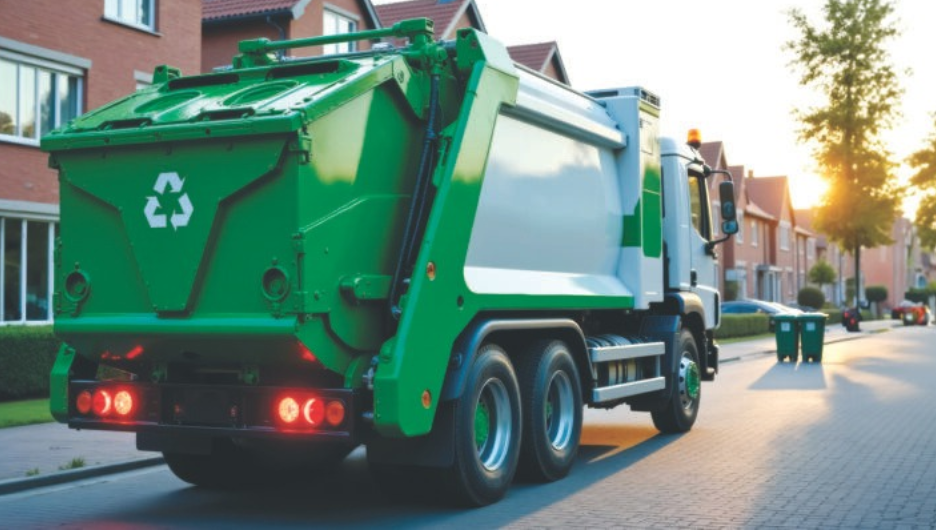
Routeware CEO Jeremy Collins spoke with American Recycler for a feature on smart technologies in municipal waste collection, written by Maura Keller. The article also features Jennifer Latchford-Perkins, senior government specialist at Asset Management Software, Siemens, who has served as chief information officer for the City of Boston.
From Printed Route Sheets to Connected Operations
Municipal collection has long run on institutional knowledge, with routes drawn on maps, printed route sheets, missed pickups logged by hand and supervisors relying on radio or phone calls. Collins explained to American Recycler that smart collection tools are changing this, moving work that was once manual and reactive onto connected systems that run in real time.
Why Municipal Routes Need a Fresh Look
Collins noted that many collection routes were built years ago and have changed bit by bit since, with new properties to service and new waste streams to collect. He said the main problem is managing that change. Waste collection route optimization software lets municipalities review service areas using current data, including route distance, vehicle capacity, geography, schedules, traffic and actual service activity.
Latchford-Perkins said not every bin needs the same collection frequency, since some may need emptying several times a week and others only once. As the article points out, a home football game can change waste volumes in an area, and sensors can reveal filling patterns that might otherwise take months or years to establish. The aim, the article explains, is not simply to shorten every route. According to Routeware, municipalities using route optimization have seen:
- a 21% reduction in route miles
- a 20% decrease in missed-bin calls to councils
- a 17% increase in citizen satisfaction
Municipal partners have also reported annual cost savings of up to $320,000.
Memphis Cut Routes, Miles and Go-Backs
The article highlights the City of Memphis, which was servicing more than 170,000 weekly collection points with undersized routes. In early 2022, the city implemented a citywide fleet optimization project. Memphis reduced its daily routes by 8 to 10 and went on to record 2,500 fewer go-backs and 34,500 fewer miles. According to Routeware, the project also saved $297,000 in fuel and operating costs and avoided 122 tons of carbon dioxide equivalent emissions. Collins said the city did not lack resources. Its problem was inefficiency, and the answer was smarter routes.
Fewer Return Trips for Missed Collections
Connected trucks show route progress, completed service and exceptions as they happen. When a resident reports a missed collection, municipalities can use service data, photos and video to determine what happened before sending a truck back. Latchford-Perkins said responding to actual conditions matters beyond efficiency. As the article notes, overflowing public bins can create public health concerns, and a sensor alert gives a municipality the chance to act before the problem grows.
Drivers, Managers and Adoption
In-cab technology gives drivers real-time route guidance, automated service verification and less paperwork, and Collins said most drivers are big fans of it. The article describes supervisors moving from reviewing completed routes to managing routes as they run. Collins said adoption is a people issue as much as a software one, needing new skills, new processes and a culture that values decisions based on data. Latchford-Perkins said municipalities also need an internal champion who can see the opportunity, with funding and prioritization the biggest challenges. Routeware estimates that digital route optimization software can reduce costs by an average of 15%.
From Reactive to Predictive
Collins said the cities that lead municipal waste collection in the future will be the ones that shift from reacting to problems to predicting them. Latchford-Perkins said the long-term value of connected data will come from patterns that emerge over time. A location that keeps overflowing, for example, may need an additional bin, a different collection schedule or a different bin location. Collins added that technology should make operations simpler, and that its role is to support human judgment, not replace it.
This article summarizes ‘Smart technologies help municipalities optimize routes and reduce costs’ by Maura Keller, originally published by American Recycler. Read the original article.
 North America
 United Kingdom