Blog
Route Optimization Is No Longer About Efficiency — It’s About Competitive Advantage
by Routeware Team • February 16, 2026
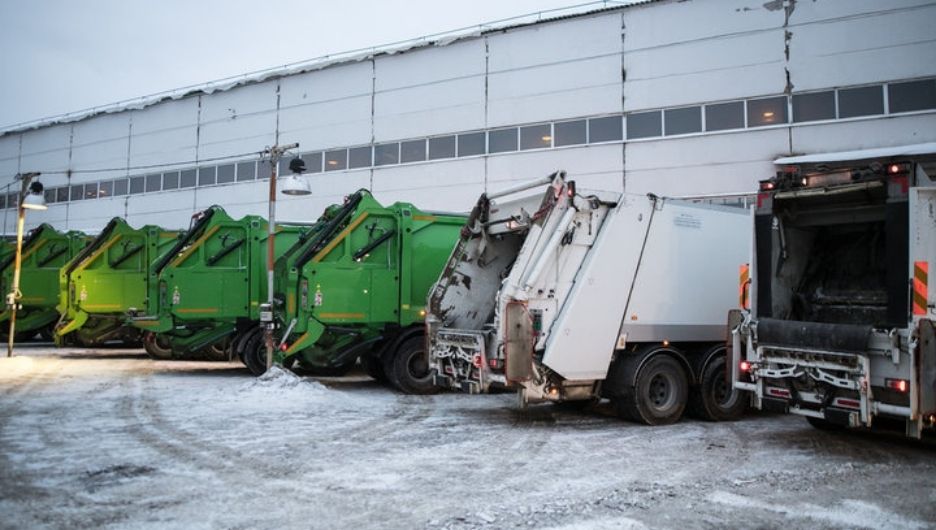
For decades, route optimization in waste and recycling was viewed primarily as an operational efficiency tool — a way to reduce miles driven, fuel consumption, and driver hours.
Those benefits still matter. But the role of route optimization has fundamentally evolved.
Today, the organizations leading the industry aren’t just using routing to lower costs. They’re using it to create service reliability, strengthen customer experience, improve safety, and build long-term operational resilience.
In other words, route optimization is no longer just about logistics. It’s becoming a competitive differentiator.
And as service expectations, labor challenges, and cost pressures continue to rise, the gap between organizations with modern routing strategies and those without is growing quickly.
Why Route Optimization Matters More Than Ever
Waste and recycling organizations are navigating one of the most complex operational environments the industry has seen in decades. Rising fuel costs, ongoing labor shortages, stricter safety expectations, and increasing customer service demands are forcing operators to do more with fewer resources.
Route optimization sits at the intersection of all of these pressures.
When routing strategies are static or manually managed, small inefficiencies compound across entire fleets. Routes become unbalanced, service delays increase, and drivers spend more time handling exceptions instead of completing collections safely and efficiently.
Modern route optimization helps organizations shift from reactive operations to predictive, data-driven planning.
That shift changes everything.
Route Optimization and Service Reliability: The Customer Experience Connection
Service reliability is one of the most visible ways residents and commercial customers evaluate waste and recycling providers. Missed pickups, inconsistent service times, and communication breakdowns can quickly erode trust.
Optimized routing plays a direct role in improving service consistency by:
- Balancing workloads across drivers and routes
- Reducing service variability caused by outdated route structures
- Improving response times for service requests and special collections
- Allowing faster adaptation to seasonal or population changes
When routes are designed using real operational data — rather than historical assumptions — organizations can create more predictable service schedules. Predictability reduces complaints, lowers call center volume, and improves customer satisfaction across both municipal and private hauling environments.
Labor Efficiency and Workforce Sustainability
Driver recruitment and retention remain among the most significant challenges facing waste and recycling organizations.
Route optimization directly supports workforce sustainability by improving driver experience and reducing operational friction. Efficient routes help reduce overtime, minimize unnecessary backtracking, and create more balanced daily workloads.
In many cases, improved routing can also:
- Shorten route duration without reducing service coverage
- Reduce driver fatigue and stress
- Improve onboarding for new drivers through clearer route structures
- Increase overall fleet productivity without adding vehicles
For organizations facing hiring constraints, optimization can effectively increase service capacity using existing resources.
Safety Starts with Smarter Route Design
Safety is often discussed in terms of driver behavior, vehicle technology, and training — all critically important factors. However, route design itself plays a significant role in fleet safety.
Optimized routing can reduce exposure to high-risk driving conditions by minimizing:
- Left turns across traffic
- Congested or high-speed roadway segments
- Unnecessary reversing or tight maneuvering areas
- Overloaded routes that increase time pressure
By reducing operational complexity and time constraints, optimized routes allow drivers to focus more fully on safe vehicle operation and situational awareness.
Safer routing doesn’t just reduce incident rates. It also helps protect vehicles, reduce insurance risk, and support long-term driver retention.
Fuel, Emissions, and Cost Control
Fuel remains one of the largest variable expenses in waste and recycling operations. Even small improvements in route efficiency can create significant cost savings when multiplied across large fleets and service territories.
Route optimization contributes to cost control by:
- Reducing total fleet mileage
- Minimizing idle time and unnecessary drive segments
- Supporting transition planning for alternative fuel or electric fleets
- Improving long-term infrastructure planning for service expansion
These benefits also support environmental goals by reducing greenhouse gas emissions and improving overall fleet sustainability performance.
While sustainability outcomes often receive public attention, the operational cost savings behind them are equally important.
Data Integration Is Changing How Routes Are Built
Traditional routing often relied on static maps, historical service data, and manual adjustments. Today, routing platforms can incorporate dynamic operational data such as:
- Real-time service completion data
- Vehicle telematics and performance metrics
- Customer service request trends
- Seasonal service variability
- Population and development growth patterns
When routing systems continuously learn from operational data, routes can evolve alongside changing service environments. This adaptive routing approach helps organizations avoid the gradual inefficiencies that often accumulate over time.
Route Optimization and Long-Term Infrastructure Planning
One of the most overlooked benefits of advanced routing is its impact on long-term planning and capital investment decisions.
Optimized routes provide clearer insights into service density, fleet utilization, and growth capacity. These insights help organizations:
- Forecast future fleet and staffing needs
- Identify service expansion opportunities
- Improve budgeting accuracy
- Support strategic facility and transfer station planning
By improving operational visibility, route optimization supports smarter investment decisions across the entire waste and recycling system.
Municipalities and Private Haulers: Different Motivations, Shared Outcomes
While municipalities and private haulers may approach route optimization with different priorities, the benefits often converge.
Municipal organizations typically focus on:
- Budget predictability and cost containment
- Public satisfaction and service equity
- Infrastructure longevity and regulatory compliance
Private haulers often prioritize:
- Profitability and route density
- Labor efficiency and safety performance
- Customer retention and service reliability
In both cases, optimized routing improves operational consistency, reduces unexpected disruptions, and strengthens service quality.
The Shift From Static Routing to Continuous Optimization
The most successful waste and recycling organizations are moving away from periodic route redesigns toward continuous optimization strategies.
Continuous optimization recognizes that service environments are constantly changing due to:
- Population growth and urban development
- Customer behavior and participation rates
- Seasonal service fluctuations
- Regulatory and sustainability requirements
Organizations that treat routing as an ongoing operational process — rather than a one-time project — are better positioned to adapt quickly and maintain service performance over time.
Route Optimization as a Strategic Differentiator
Route optimization is often evaluated based on immediate cost savings, but its strategic value extends much further.
When implemented effectively, optimized routing supports:
- Higher customer satisfaction and trust
- Improved driver safety and workforce retention
- Lower operating costs and fuel consumption
- Better long-term planning and infrastructure management
- Stronger sustainability performance
These outcomes contribute directly to organizational competitiveness, especially in markets where service reliability and operational efficiency are key differentiators.
Looking Ahead: The Future of Routing in Waste and Recycling
As data integration, automation, and predictive analytics continue to advance, route optimization will become even more central to waste and recycling operations.
Future routing systems will increasingly incorporate:
- Real-time operational adjustments
- Predictive service demand modeling
- Integration with customer engagement platforms
- Advanced safety and risk analysis tools
Organizations that begin building modern routing strategies today will be better prepared to leverage these emerging capabilities.
Final Thoughts
Route optimization has evolved from a back-office efficiency exercise into a core strategic function. It influences safety, customer experience, cost control, sustainability performance, and long-term planning across the entire waste and recycling ecosystem.
For organizations navigating rising operational complexity, route optimization is no longer optional. It is foundational to building resilient, future-ready service operations.
If you’re ready to start or accelerate your route optimization journey, fill out the form below.