Blog
Ramping Up Resident and Driver Satisfaction: How Connected Operations Make Waste Service Better for Everyone
by Routeware Team • January 19, 2026
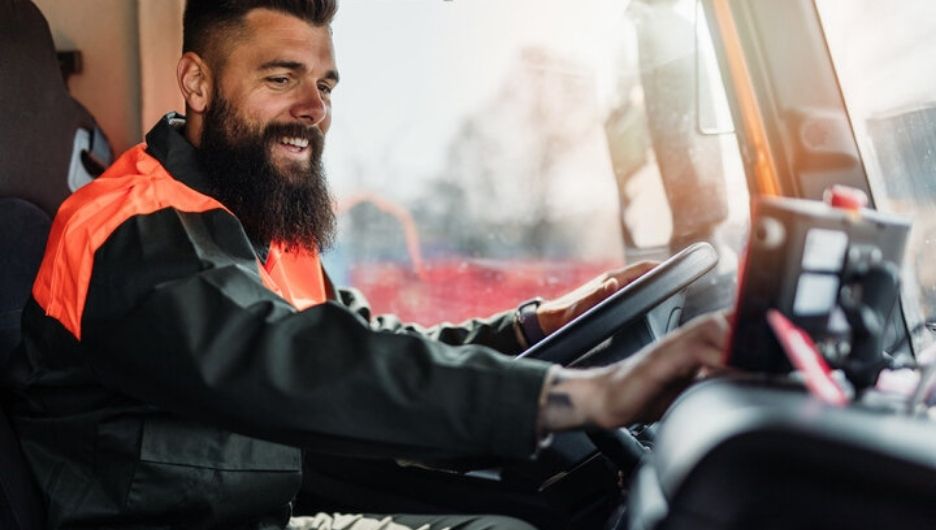
When residents call with complaints about missed pickups, late service, or confusing schedules — and when drivers juggle paper routes, shifting assignments, and frustrated customers — it doesn’t just degrade service quality and driver confidence. It erodes confidence in your entire operation. The good news? There’s a better way.
Modern waste operations are shifting from disconnected, reactive workflows to connected, data-driven systems that reduce friction for drivers, increase transparency for residents, and improve satisfaction at every touchpoint. As Routeware’s video on Ramping Up Resident and Driver Satisfaction highlights, the right technology doesn’t just streamline operations: it creates a shared experience that benefits everyone involved.
In this blog, we’ll explore how connected waste technology drives satisfaction for residents and drivers, two of the most critical audiences in any waste and recycling system.
Why Resident Satisfaction Matters
Municipal waste and recycling services are a direct interface between local government and its citizens. Unlike water or electricity (where problems are often resolved behind the scenes) a missed pickup or confusing schedule is visible and immediate. That visibility makes resident satisfaction a top priority for any public works department or hauler.
When residents feel heard and informed:
- Complaints drop
- Call volumes shrink
- Service confidence increases
- Contamination issues decrease
- Trust in your operation strengthens
Technology plays a central role here by enabling transparent communication, predictable schedules, and clear status updates, all of which help residents feel respected and involved in the service process.
How Drivers Fit Into the Satisfaction Equation
Drivers are the backbone of waste operations. Yet all too often they’re asked to work with manual tools, fragmented data, and unclear dispatch communications. That’s a recipe for frustration, and it can negatively impact the service experience for residents too.
When drivers are supported with in-cab tools, real-time data, and intuitive navigation, they experience:
- Fewer go-backs and route surprises
- Less stress and overload
- Faster, more efficient routes
- Clear communication with dispatch
- Reduced paperwork and administrative burden
- Easier training on new routes or with new drivers
This not only makes their jobs easier and safer but also leads to fewer missed services and stronger resident confidence in the system. Technology helps drivers spend more time doing what they do best — serving the community — and less time dealing with confusion and manual workarounds.
What “Connected Operations” Really Looks Like
So what does it mean to truly connect residents, drivers, and back-office teams? Here are the key elements:
📍 Real-Time Communication
When dispatch and drivers share live updates, supervisors can resolve issues before they become resident complaints. Residents can receive alerts and reminders, reducing uncertainty and guesswork.
🗺️ In-Cab Tools & Navigation
Drivers equipped with route assistance, turn-by-turn instructions, and service verification tools are more confident, more accurate, and less likely to return for missed stops.
📊 Centralized Visibility
A unified dashboard gives supervisors end-to-end visibility into routes, crews, and resident interactions, powering proactive adjustments and better planning.
💬 Resident Education & Self-Service
Digital outreach, FAQs, service calendars, and mobile tools help residents find answers without calling in, boosting satisfaction and reducing call volume.
These connected capabilities streamline the entire service lifecycle, allowing operations to align real-time performance with resident expectations and frontline reality.
The Business Case: Why Satisfaction Insights Matter
It’s not just about good service, it’s about measurable outcomes:
✔ Reduced complaints and call center workload
✔ Lower operational costs from fewer missed services
✔ Improved compliance with community service level agreements
✔ Higher resident trust and public perception
✔ Better driver retention and morale
When residents and drivers are both part of a technology-enabled feedback loop, operations become more resilient, efficient, and responsive — a win for all stakeholders.
Real Results With Connected Waste Technology
Communities and haulers that invest in modern systems like Routeware’s SmartCity platform see tangible gains:
- Higher resident satisfaction due to timely communication
- Less overtime and more balanced routes
- Fewer missed stops and clearer service verification
- Faster onboarding and better tools for drivers
- Improved collaboration between drivers, dispatch, and customer service
- Data-driven insights for continuous improvement
By replacing legacy manual workflows with integrated digital systems, organizations can focus less on firefighting and more on delivering exceptional service.
Final Thoughts: Satisfaction as a System
Ramping up resident and driver satisfaction isn’t about a single feature or a quick fix. It’s about designing a waste operation where communication is clear, data is shared, and every participant — from the resident checking a mobile calendar to the driver on the route to the supervisor in the office — feels connected and informed.
That’s the future of waste operations. And with the right technology foundation, it’s a future built on trust, clarity, efficiency, and satisfaction.
Talk to us today and learn how we can provide the right technology foundation for your future.