Blog
Customer Education Isn’t Just About Sustainability — It’s About Cost, Safety, and Smarter Operations
by Routeware Team • February 9, 2026
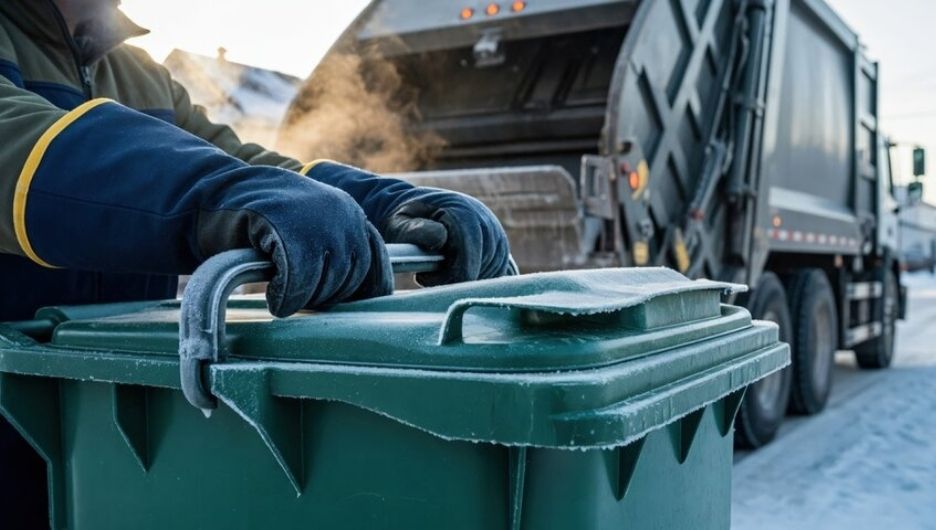
When people hear “customer education” in waste and recycling, they often think of sustainability campaigns, recycling posters, or feel-good messaging about doing the right thing for the planet.
Those things really matter — but they’re not the whole story.
In reality, how well residents understand what goes where has direct, measurable impacts on operational costs, worker safety, equipment longevity, and long-term infrastructure planning. For cities and haulers alike, education and contamination reduction aren’t soft initiatives. They’re core operational levers.
And the organizations that treat them that way are seeing real results.
Contamination Is an Operational Problem First
Contamination doesn’t just hurt recycling rates. It creates friction across the entire waste system.
When residents guess instead of knowing what belongs in each stream, the downstream effects add up quickly:
- Extra labor to manually sort contaminated material
- Higher tipping fees when loads are rejected or downgraded
- Equipment damage from hazardous or prohibited items
- Increased safety risks for drivers and MRF workers
- More missed pickups and service delays
- These are not sustainability line items — they’re budget line items.
For private haulers, contamination drives labor inefficiency, overtime, and risk exposure. For municipalities, it increases operating costs and strains already tight public works budgets.
Customer education sits at the front of this chain. When it breaks down, everything downstream pays the price.
Safety Starts Before the Truck Rolls
One of the most overlooked impacts of contamination is safety.
Items like lithium batteries, propane tanks, sharps, and chemicals don’t just contaminate loads — they endanger people and assets. Fires in collection vehicles, explosions at facilities, and injuries during manual sorting are often traced back to improper disposal.
Clear, accessible education helps prevent:
- Fires caused by batteries in recycling
- Damage to collection vehicles and compactors
- Injuries from sharps or hazardous materials
- Emergency route disruptions
For haulers especially, this is where education shifts from “nice to have” to risk mitigation. Reducing contamination reduces incidents — and incidents are expensive, dangerous, and disruptive.
Education Reduces Calls, Complaints, and Confusion
From a customer operations standpoint, education is also a call-deflection tool.
When residents don’t know:
- What day service runs
- What to do with bulky or special items
- Where seasonal or event-related waste goes
They call. They complain. Or they dispose incorrectly.
Digital education tools — searchable disposal guidance, service reminders, and self-service resources — help residents find answers on their own. The result:
- Lower call center volume
- Fewer service complaints
- More consistent participation
- Higher trust in the operation
This is especially important for cities, where waste services are one of the most visible touchpoints residents have with local government.
Landfill Life Is a Financial Strategy
Here’s where the long-term picture comes into focus.
Every ton diverted from landfill does more than improve diversion rates — it extends landfill lifespan. And extending landfill life has massive financial implications for municipalities:
- Delaying the cost of siting or expanding landfills
- Reducing future capital expenditures
- Avoiding environmental remediation costs
- Preserving land use options for future generations
Landfills are some of the most expensive infrastructure assets a city manages. Education-driven diversion helps protect and extend that investment.
In this context, customer education becomes a form of infrastructure preservation — not just an environmental initiative.
Different Motivations, Same Outcome
While municipalities and private haulers may approach this from different angles, the outcomes align.
For cities, the motivation often includes:
- Budget predictability
- Infrastructure longevity
- Public trust and satisfaction
- Regulatory compliance
For haulers, the focus may lean toward:
- Labor efficiency
- Driver and worker safety
- Reduced equipment damage
- Lower operating costs
Customer education supports all of it.
The common thread is fewer surprises, fewer exceptions, and fewer costly interventions — because the system works better when residents know how to use it.
Education Works Best When It’s Built Into Operations
The most effective education programs aren’t standalone campaigns. They’re embedded into daily service:
- Clear disposal guidance tied to real services
- Digital tools residents can access anytime
- Consistent messaging across channels
- Feedback loops that reveal where confusion still exists
When education is treated as part of customer operations — not an afterthought — it scales, adapts, and delivers ongoing value.
Reframing Education as an Operational Advantage
Customer education and contamination reduction deserve a broader frame.
They’re not just about sustainability metrics.
They’re about:
- Cost control
- Safety
- Operational resilience
- Long-term financial planning
For waste and recycling organizations navigating rising costs, labor challenges, and public expectations, education isn’t a soft initiative. It’s one of the smartest investments they can make.
Want to Explore This Further?
Learn how modern customer education and outreach tools help cities and haulers reduce contamination, improve safety, and operate more efficiently — without adding complexity.
Get Started today by filling out the form below.